
After the Fire: What Wildfire Trauma Actually Looks Like in Adults and How to Move Through It
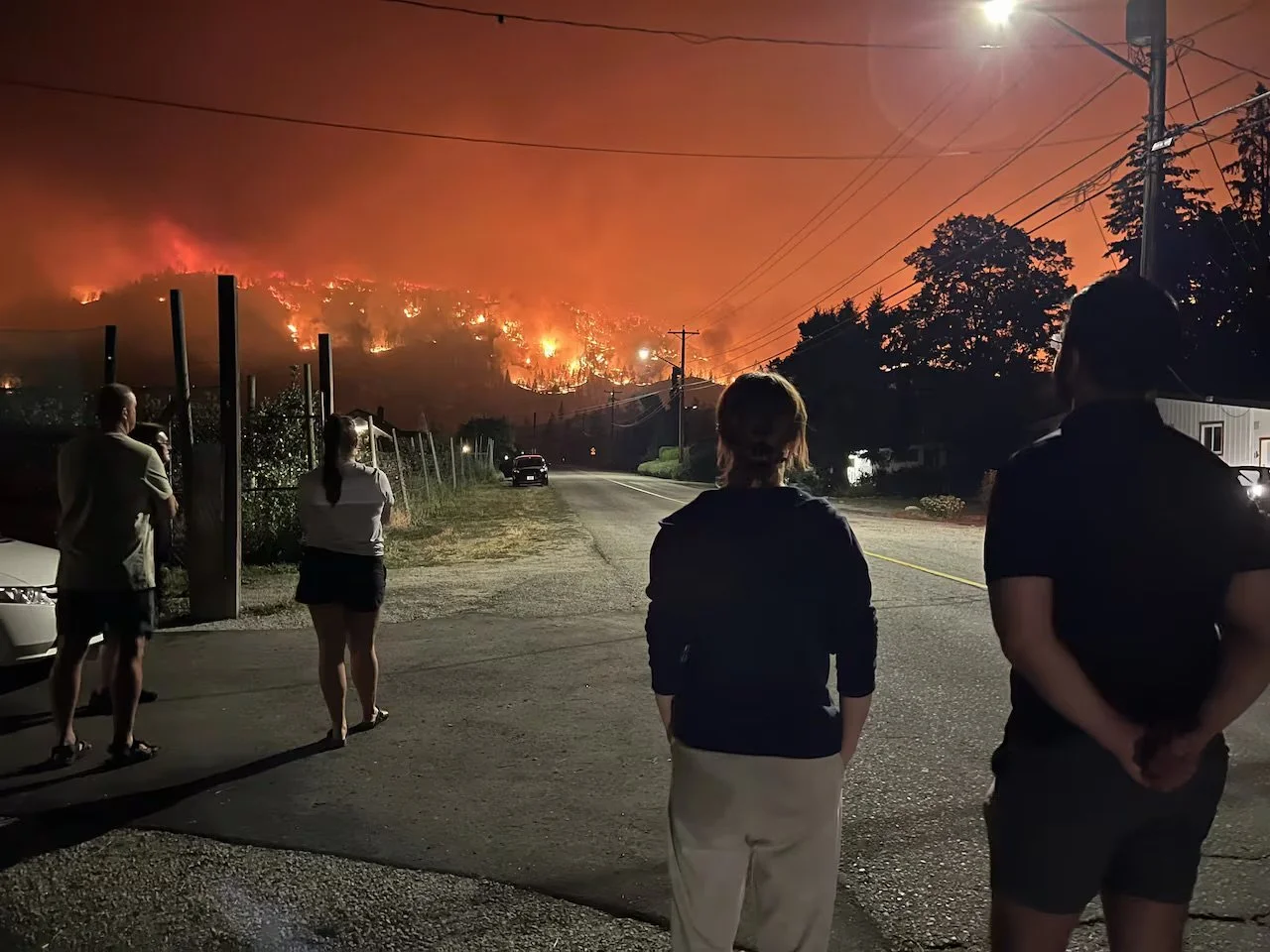
There is a particular kind of exhaustion that comes after a wildfire. Not just the physical tiredness of evacuation, the packing in a hurry, the driving through smoke, the nights in unfamiliar places. It's the exhaustion of being on high alert for days, of not knowing, of holding it together for everyone around you while quietly falling apart inside.
If that's where you are right now, this is for you.
What you might be feeling and why it makes sense
Wildfire is not just a logistical crisis. It is a psychological one. And the emotional aftermath doesn't follow a neat timeline.
In the immediate phase during and just after evacuation, most people operate in survival mode. Adrenaline is high. Focus narrows. You do what needs to be done. Many people describe feeling strangely calm in those first hours.
What comes after is often harder. The adrenaline drops. The reality of what happened begins to land. And the emotions that couldn't surface during the emergency, grief, anger, shock, disorientation, helplessness start to come through.
This is not a breakdown. This is your nervous system completing what it started.
What wildfire trauma actually looks like
Trauma doesn't always look like visible distress. In adults, it often shows up quietly:
Hypervigilance: Checking the news constantly, unable to stop monitoring updates even when you're safe. A nervous system that can't distinguish between the threat being over and the threat still being present.
Sleep disruption: Difficulty falling asleep, waking in the night, vivid dreams or nightmares about fire or evacuation.
Emotional numbness or flatness: feeling disconnected, going through the motions, not being able to access the feelings you expect to have.
Guilt: Survivor's guilt if your home was spared. Guilt about what you didn't pack, decisions you made, people you couldn't reach.
Grief: For a home, a neighbourhood, a sense of safety, a version of life that existed before this week. Grief for the Okanagan landscape itself, which many people feel deeply connected to.
Irritability, difficulty concentrating, feeling on edge: All signs of a nervous system that hasn't yet had the signal that safety has returned.
All of this is normal. All of it makes sense. And all of it deserves attention.
What actually helps
Let the nervous system complete the cycle. Trauma researcher Bessel van der Kolk describes trauma as an interruption, the body mobilizes for survival, and when the threat passes, it needs to discharge that energy. Movement helps. Walking, shaking, breathwork, even crying, these are not signs of weakness. They are the body doing exactly what it needs to do.
Limit continuous news and social media consumption. Consuming ongoing tragic stories and images can be hard on anyone, even traumatizing. Be intentional about the quantity and quality of media coverage during an event like a wildfire. Staying informed matters, but there is a point at which continued exposure becomes re-traumatizing rather than helpful. Check for updates at set times and step away in between.
Reach toward connection. Isolation amplifies distress. Even one conversation with someone who genuinely asks how you're doing and waits for the real answer can begin to shift the nervous system toward safety. The vagus nerve is activated by felt connection. It is one of the fastest routes to regulation available to us.
Name what you're feeling. Research consistently shows that naming an emotion even just internally reduces its intensity. Not analyzing, not fixing. Just: this is grief. This is fear. This is anger. That simple act of labelling creates a small but meaningful distance between you and the feeling.
Give yourself permission to not be okay. You have been through something significant. The pressure to cope well, to be strong for others, to move on quickly, these are cultural expectations that rarely serve us in the wake of real loss. You are allowed to take time. You are allowed to need support.
When to reach out for professional support
If several weeks after the fire you are still experiencing significant sleep disruption, intrusive thoughts or flashbacks, persistent numbness or disconnection, difficulty functioning day to day, or an increase in substance use, please reach out to a mental health professional. These are signs that the nervous system needs support beyond what time alone provides.
Post-traumatic stress responses are not a sign of weakness. They are a sign that something genuinely difficult happened and that your mind and body are still trying to find their way through it.
We're here for this community
New Ground Wellness is based in the Okanagan. This fire is in our community. We are thinking of every person who has been displaced, who is watching from a distance with worry, or who is simply carrying more than they can hold right now.
Our counsellors offer virtual sessions throughout BC, accessible wherever you are right now. If you need support in the days, weeks, or months ahead, we are here.