

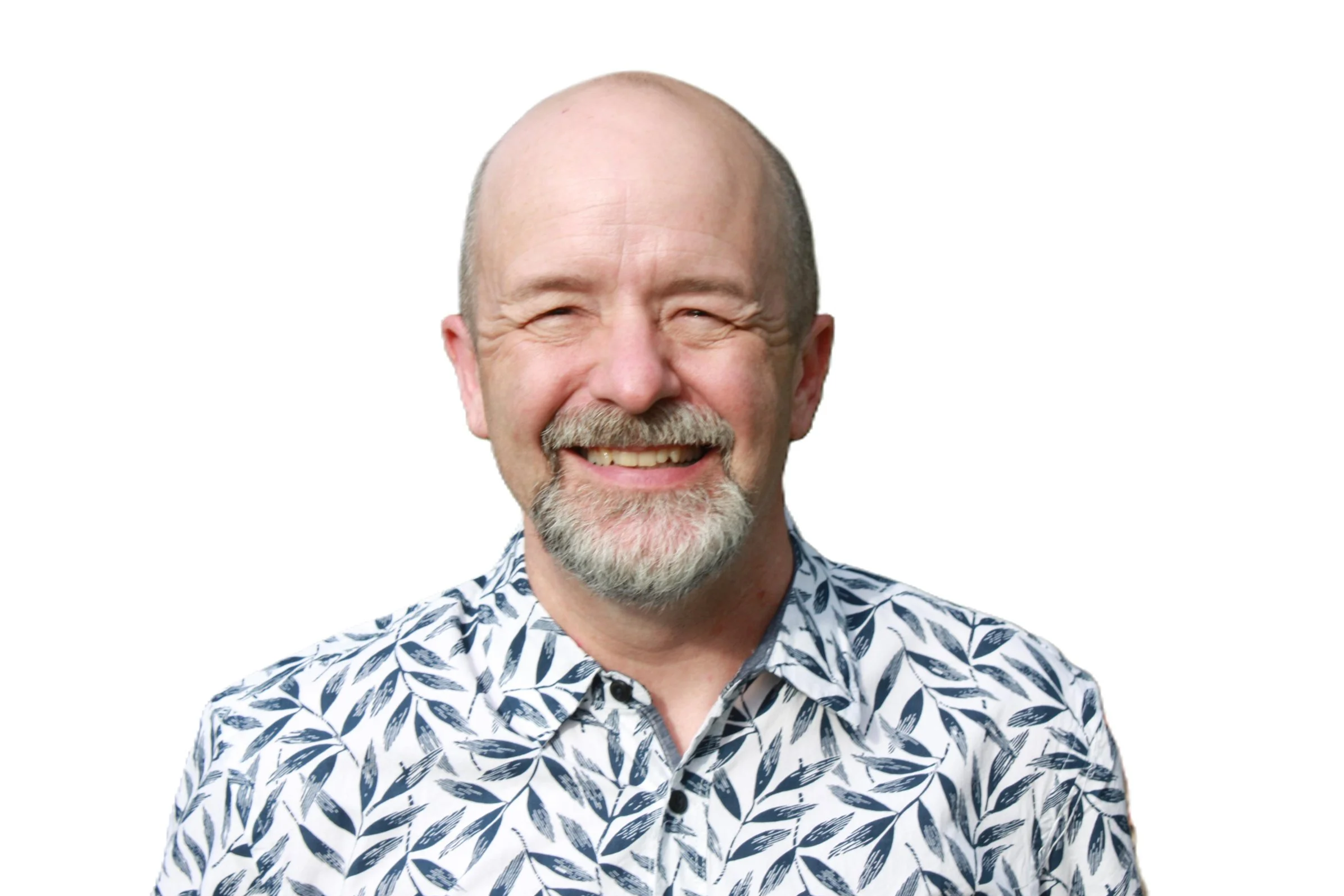
Registered Clinical Counsellor (RCC) , MC
Don Huston
Penticton | Virtual
“Resilience is ‘bending but not breaking in the storm’ - you are more resilient than you realize!.”
Hi, I am Don Huston, Registered Clinical Counsellor located in the Okanagan, offering in-person sessions here in Penticton as well as on-line sessions.
Are you feeling anxious, stressed, worn down, at a loss in how to move forward?
Is your past holding you back from freely living in the present while holding on to hope for your future?
Do you ever feel like you are in a perpetual cycle of reliving your past trauma, grief and loss with little if any hope in sight?
Does this resonate with your experience? If this sounds like you, you have come to the right place.
I’ve worked with clients wrestling with such questions/thoughts as: Is it possible to discover the real me in spite of my past? Can I find my way through my grief and loss? Is there hope on the other side of the darkness I live with because of what happened to me by the actions of others? Will I ever be able to close my eyes at night without the images haunting me? I just want to ‘breathe’ again without feeling so constricted within by my fears, uncertainty, doubt and hopeless/helpless-ness.
Sound familiar? You’re not as alone as you think.
What its like to work with me
I believe my clients are more resilient than they realize. My goal is to help you discover a level of resilience residing within you that when engaged will enable you to face up to, work through and overcome the negative experiences of your past and or what you are currently experiencing. In so doing, begin to live your life to the fullest.
I meet you in the midst of your struggles, grief, or trauma walking alongside you helping you discover a way through.
I work with clients living with trauma, grief and loss, anxiety and depression, stress and burnout.
Using a combination of EMDR, CBT and Mindfulness therapies, I help my clients break free from the negative impact of their trauma,
EMDR Therapy helps clients discover ways to identify, desensitize and reprocess triggers related to various disturbing/upsetting and or traumatic events.
Cognitive Behavioral Therapy (CBT) helps clients identify the negative thoughts and irrational thinking patterns they have of themselves, whether self-imposed or imposed upon them by others, and begin working to re-write and hold onto positive thoughts and rational thinking patterns about themselves.
Mindfulness Therapies help clients discover ways to manage and alleviate experiences of stress, emotional dysregulation, and physiological tension held in the body.
-
The key definition of a Sojourner is “a person who resides temporarily in a place, acting as a visitor, traveler, or temporary resident rather than a permanent inhabitant.”
I liken myself as a Sojourner in that I take up temporary residence within your story walking alongside you to discover the touchstone moments of your pain, trauma, grief, etc. and then, using and teaching various skills and tools, help you discover a way through.
We take this journey together at a pace you’re able to manage and navigate. Once you’ve found your way through and are able to carry on in your own strength, I step back to the sidelines cheering you on in your journey towards wholeness.
-
EMDR, CBT, Mindfulness, Family Systems, Solution Focused
-
I have my Masters Degree In Counselling and am a Registered Clinical Counsellor in good standing with the British Columbia Association of Clinical Counsellors.
I am trained in Levels 1 and 2 of EMDR therapy.
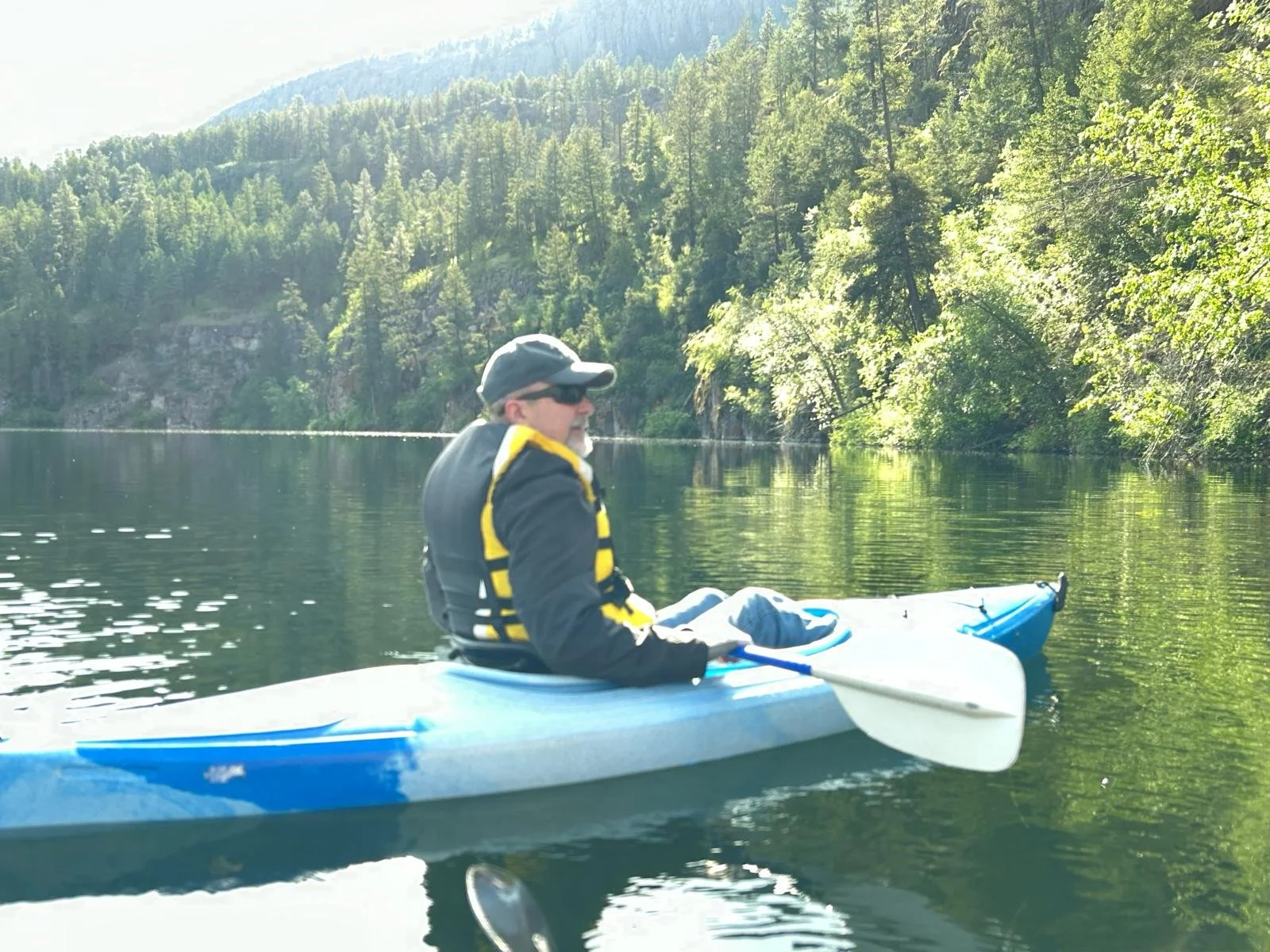
A little more about me…
My hobbies…
I have learned the art of replenishing my heart, mind, body and soul from having a deep spiritual faith and from being out in nature. I love hiking, kayaking on open water, and gardening.
Why a counsellor?
There has always been this innate sensitivity to the woundedness of others around me. Lacking the training and skills to help my fellow human beings I set out to acquire such knowledge. Now with the combination of 60+ years of life experience, 10+ years of education and training and 40+ years of helping others, I truly believe I have something of value to offer the wounded and broken hearted.
Frequently Asked Questions
-
A simplified definition of trauma is an emotional or physical response to an event that is so overwhelming, frightening, or distressing that it shatters your sense of safety and leaves you feeling helpless.
It is not just the event itself, but how that event affects your ability to cope, often leaving long-lasting, negative effects on your mind, body, and daily life.
Key aspects of trauma:
Overwhelmed Coping Mechanism: It happens when a situation is "too much, too soon, or too long" for your nervous system to handle.
Subjective Experience: What is traumatizing to one person may not be to another; it depends on how you perceive and react to the event.
The Three E's: Trauma is often defined by the Event, the Experience of that event, and the lasting Effects.
-
EMDR (Eye Movement Desensitization and Reprocessing) is a psychotherapy that helps the brain reprocess and heal from traumatic memories, reducing their emotional power without needing to talk in detail about the event. It uses Dual Attention Stimulation (DAS) —typically back-and-forth eye movements, taps, or sounds—while the client briefly focuses on the disturbing memory. This process lowers the memory’s, reducing distress and allowing the client to replace negative beliefs with positive ones. (EMDR Institute)
Key Aspects:
Goal: To decrease the intense emotional charge of traumatic memories so they no longer trigger distress.
Method: Combines focusing on traumatic memories with rhythmic stimulation (eye movements, tapping, or sounds).
Mechanism: It mimics natural REM sleep to help the brain re-file "stuck" memories.
Focus: It is highly effective for PTSD, but also treats anxiety, depression, phobias, and panic disorders.
Structure: It follows an eight-phase, structured approach that can be faster than traditional talk therapy.
EMDR does not require traumatic retelling or homework, making it a "less talking, more processing" approach.
-
CBT is a structured, goal-oriented "talk therapy" that helps people identify and change negative thought patterns and behaviors to improve emotional regulation. It operates on the principle that thoughts, feelings, and behaviors are interconnected, meaning changing how you think can change how you feel and act. It is typically short-term (6-20 sessions) and focuses on solving present-day, practical problems.
CBT is based on several core principles, including (Taken from APA.org):
Psychological problems are based, in part, on faulty or unhelpful ways of thinking.
Psychological problems are based, in part, on learned patterns of unhelpful behavior.
People suffering from psychological problems can learn better ways of coping with them, thereby relieving their symptoms and becoming more effective in their lives.
CBT treatment usually involves efforts to change thinking patterns. These strategies might include:
Learning to recognize one’s distortions in thinking that are creating problems, and then to reevaluate them in light of reality.
Gaining a better understanding of the behavior and motivation of others.
Using problem-solving skills to cope with difficult situations.
Learning to develop a greater sense of confidence in one’s own abilities.
CBT treatment also usually involves efforts to change behavioral patterns. These strategies might include:
Facing one’s fears instead of avoiding them.
Using role playing to prepare for potentially problematic interactions with others.
Learning to calm one’s mind and relax one’s body.
Rates
Individual - $170
Availability
Thursday Evenings PM (5:30-7:30pm) in Penticton.
Fridays Afternoon and Evenings (1:00pm to 7:00pm) in Penticton.
On-line throughout the week when spots are available.
Adult Individuals (18+)